The ChartFlow Team
We know high fidelity simulation is all the rage, but how do you make a skills lab realistic when all you have is a low fidelity mannequin or patient actor and a few dollars for equipment? It’s all in the details.
This year, we’re excited to see more Medication Aide, Home Health Aide, and CNA programs using our education EHR for simulation. As one of the most affordable EHRs for healthcare education, we’ve been working hard to get the word out to lower level healthcare programs who don’t have as much funding at their disposal.
While we love working with nursing, and even medical schools, we’ve always been disappointed that educational programs at the vocational level are priced out of simulation and software. We want to change that, so for those schools, this blog is for you!
Make some urine
A large part of a CNAs job revolves around bathing and hygiene for long term care residents. This is also true for Home Health Aides visiting residents at home. Unfortunately, this often involves dealing with body fluids.
Make a skills lab realistic by having your low-fidelity doll or dummy (or a spouse/friend/student who's up for a fun acting role) lay down on a bed, gurney, or bed sheet placed on the floor. Use an underpad/Chux pad (you can purchase these for cheap in bulk online, or pick up a few disposable underpads at the pet store where they’re sold as “pee pads”). Pour a little bit of Mountain Dew, yellow Gatorade, or water with yellow food dye on the pad immediately before students start their skills training. If using yellow food dye, warn your actor and/or dress your manekin in black to prevent staining.
When students begin their tasks of daily care, they should notice the dirty underpad, properly dispose of it, and be careful to clean the area. This can be added into any skills lab focused on either bathing (using a manekin) or ambulation/bed sore prevention (using a dummy or live actor).
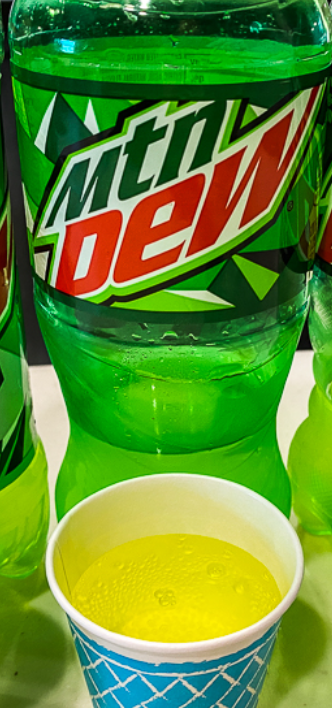
This is also a good way to reinforce hand hygiene and glove wearing. Once the students notice the dirty underpad, do they wear gloves to dispose of it? Do they perform proper hand hygiene afterwards?
If you want to introduce a critical thinking portion, pour a little Coca-Cola on the pad as well to simulate dark urine, or a little bit of red food dye to represent blood. Does the student notice? Do they report it to a higher level provider? Do they make sure the resident has access to fluids if their urine is darker than normal? What is their thought process and where can they improve?
If your school is using ChartFlow for their simulated EHR, students can record Inputs and Outputs after the visit. Make sure they make any notes regarding color or volume changes.
Cigarettes for a believable patient scenario
You don’t need to make your classroom smell like an ashtray to, well, make your classroom smell like an ashtray. If you have a smoker in your family, bring an empty cigarette box, a used ashtray, and a lighter for skills practice. Place the empty cigarette container in the pocket of the patient and sit the ashtray on a table next to a seated patient. Simulate a student going into a home health care setting to perform daily tasks and check for safety.
The patient in this scenario should have COPD and use an oxygen mask throughout the day. When the student enters the scene, ask them to assess the safety of the environment.

Students should notice the lighter and evidence of smoking in proximity to an oxygen tank (a large upright opaque vase, or a drawing on poster board can represent the oxygen tank). What does the student do? Do they address the safety concern? How?
Reminder: Don’t actually light a cigarette inside. Having an ashtray present is enough to give the sensory experience of entering a smoker’s home.
Personal belongings
Adding a contacts container, a pair of reading glasses, or a dentures case to a skills lab setting can be a great way to set the scene. These little objects make the scene feel realistic but can also be good practice for observation and critical thinking.
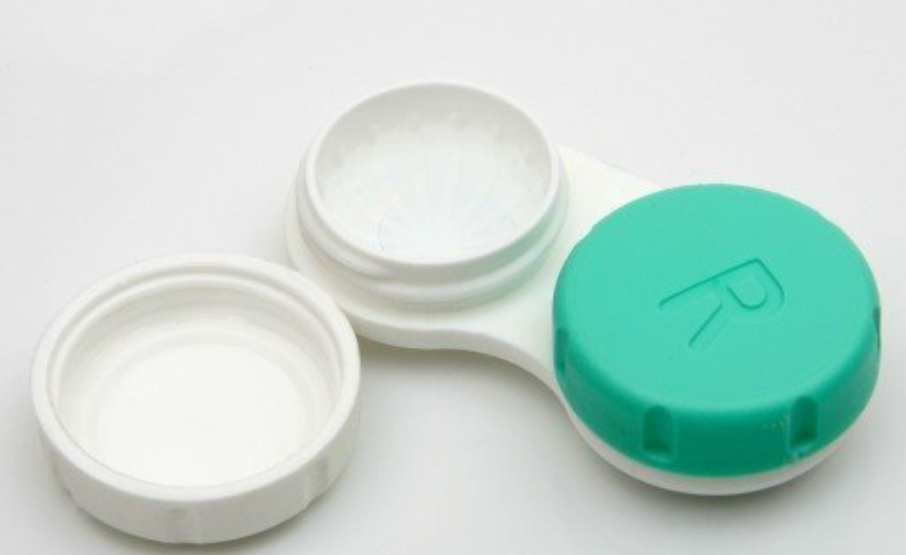
If a patient has to administer their own eyedrops for glaucoma, does the student notice an empty contacts container sitting on the table? Do they ask the resident if they’ve removed their contacts?
If students are practicing lifting and moving residents, set up a situation where the resident is being transferred to a new room or facility. Does the student make sure to gather the resident’s personal belongings and chart them if necessary?
Adding these little touches are what make simulation feel real. Yes, students need to learn how to move a patient properly. But in real life, the resident will not be laying stiff as a board ready to move. Instead, students will be working in dynamic environments that requires attention to detail and thinking about the scene or situation in it’s entirety.
Charting as a necessary step
And that bring us to our favorite part: electronic charting in a skills lab. Why is a student visiting a resident or patient? What mobility issues do they need to note? What tasks do they need to complete?
Before starting any simulation, set up a patient in ChartFlow (or contact us to get access to our super affordable EHR if you don’t already use it). CNA and Home Health Aide students can use the patient chart to plan their visit and review what tasks they’ll be doing before starting the skills portion of any activity.
Afterwards, have students chart what they did. After all, no matter what level of the healthcare provider you’re training: If it’s not in the chart, it didn’t happen!
-The ChartFlow Team
More posts like this