ChartFlow Team
As one of the most affordable EHRs in simulation, we are constantly thinking of ways to save schools money. We understand the value simulated medications offer (we even have an upcoming package of Wallcur meds that align with ChartFlow’s prebuilt patients!), but we also understand the cost of purchasing these practice meds can add up. So why not make your own?
We’ll exclusively cover oral medications in this topic so you can get the most use out of this how-to regardless of level: Medication Aide programs, LVN/LPN programs, and generalized nursing simulation could all save a few dollars with just a little bit of pre-simulation setup.
WARNING: It’s extremely important if you’re making your own practice drugs that each item is clearly marked as a practice medication and is not intended for human consumption. We also suggest using non-toxic, food-grade materials so if any wayward students intentionally go against the visible warnings, you don’t have a lawsuit on your hands. Simply use a sticker maker or label machine to print “Practice only, not for human consumption” and place it on each pill bottle or tablet pack. Additionally, if you’re using our suggested label makers below, you can include this warning on the main label.
Make your own labels
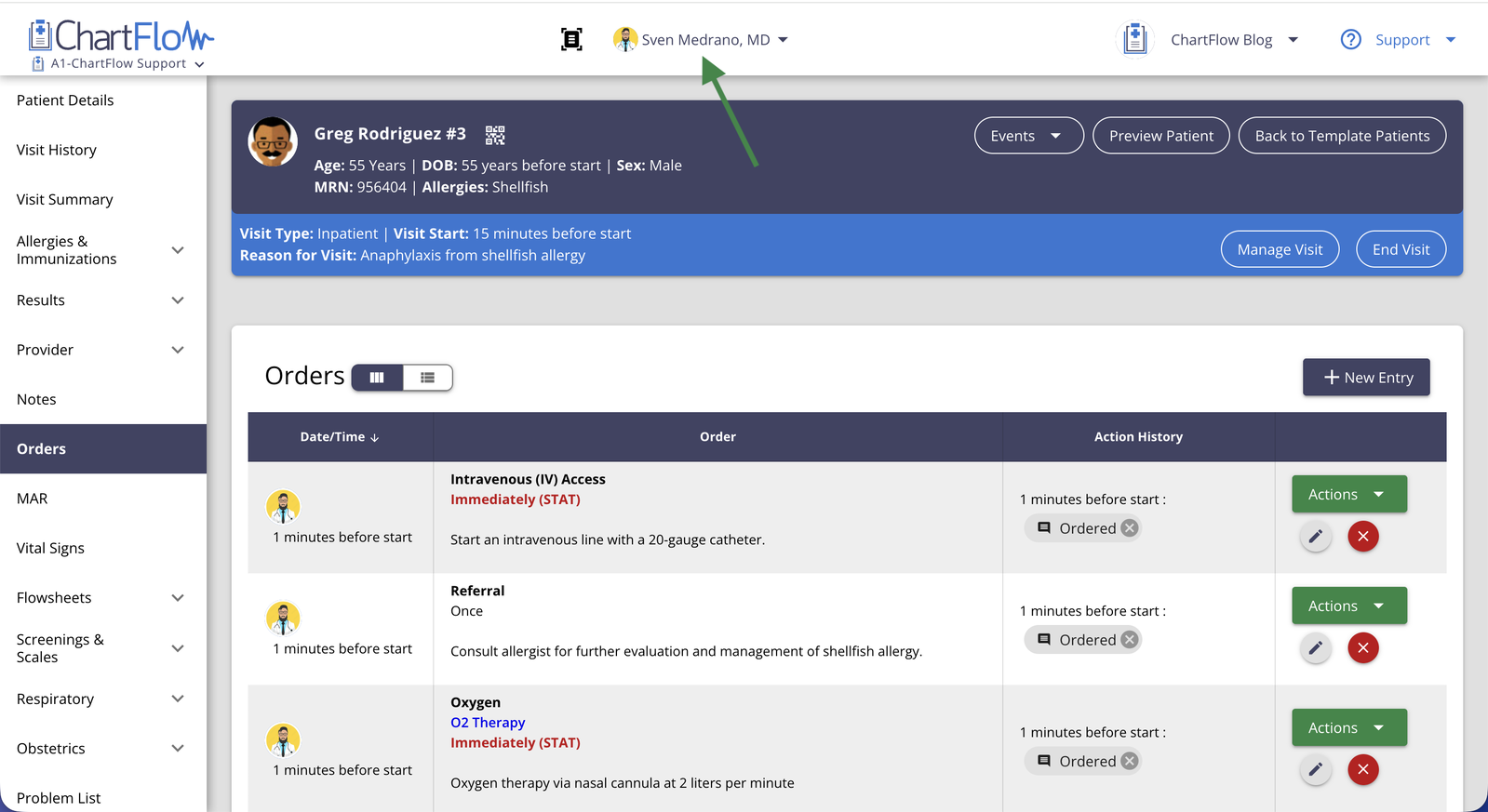
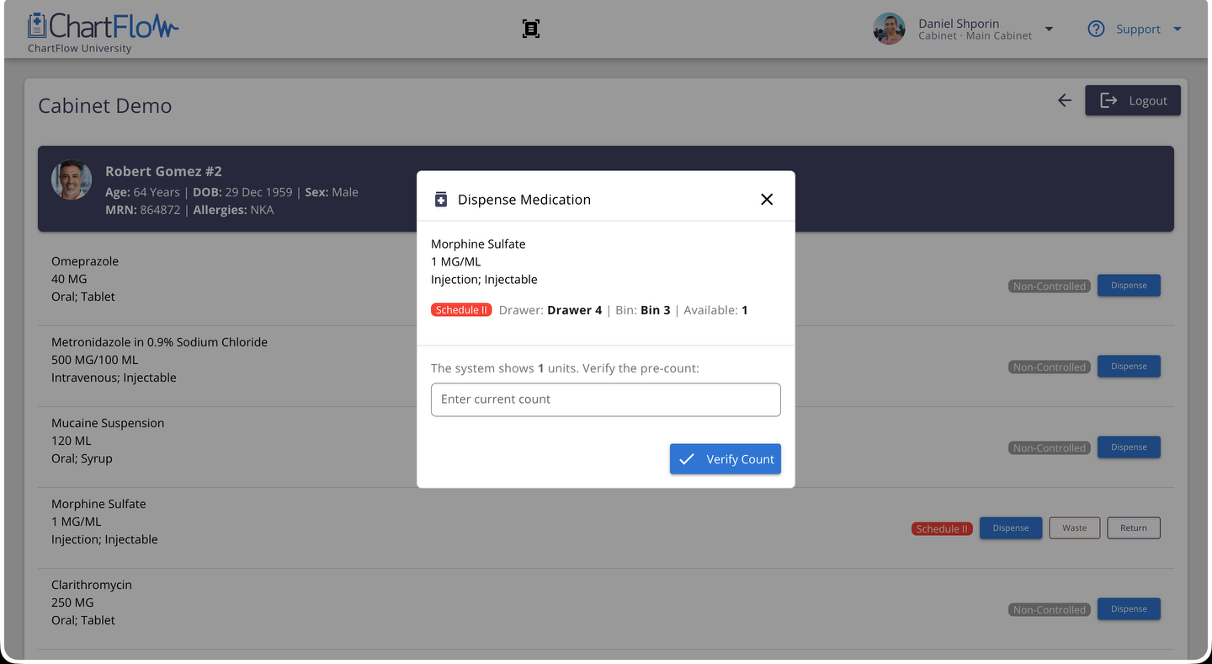
The main difference between DIY solutions and proper simulated medications is the packaging. A realistic medication label makes all the difference. The good news is that you can use barcodes from ChartFlow’s educational EHR to make scannable meds. (If you’re a customer of ours and need a little help figuring out how to get barcodes for medications on your MAR, send us an email and we’ll help you out!)
All you need to get started is a sticker printer that allows customized printing. We love all of these on Amazon, and they all have great reviews from the majority of users. Their free apps allow you to create truly custom stickers (so you can make it look exactly like a prescription bottle). Don’t forget to include the ChartFlow barcode!

Feel free to copy our example below when designing your practice medication labels. Additionally, we have a whole post on what information is required on prescription labels.

Capsules
Did you know you can buy empty gelatin pill capsules for around $.01/capsule? We’re big fans of using empty capsules as simulated medications both to prevent any students from consuming them and to reduce setup time. Often, the clear capsules are slightly cheaper, but you can use an opaque colored capsule to increase the realism (students won’t know the capsules are empty if they can’t see inside).
The cheapest option we could find on Amazon when writing this was Capsuline, but most providers are similarly priced so choose whatever brand you like most.
Pill Bottles
Where to put your capsules? The free (and eco-friendly!) option would be to ask students and instructors to bring in empty, unlabeled pill bottles. They can remove the labels themselves by soaking the label in water for an extended period of time, or using a product like goo-gone to remove the sticker residue. If using recycled bottles, always make sure to wear gloves and wash each bottle thoroughly before simulation use in case any medication residue remains. We knew a school who gave extra credit to anyone who brought in bottles with the labels removed at the beginning of the school year and loved that idea.
The easiest option if you don’t want to collect bottles, is to buy a 500 pack on Amazon, where empty pill bottles can be easily found for around $.24 a bottle. Here’s an example, but if you search “empty pill bottles” all the available options are more or less the same.

Tablets
About 15 years ago there were plenty of schools using candy-as-medication for low fidelity skills labs. However, dispensing tablets from a blister pack while observing proper hand hygiene is the main skill required for dealing with these meds. Without the blister pack, it’s not very realistic. But there’s an easy way to solve that problem!
The cheapest seller of DIY blister packs is constantly changing so we suggest you go to your favorite shopping app and search “cold seal medication pack”. You should find something like this that includes cards with plastic wells for medications, a tray to hold the card in place while you fill the wells, a foil backing, and a roller.
Simply place the card in the setup tray. Fill the wells with your simulated tablets. If you don’t have something you like to use already, we suggest the candy Smarties since they look like tablets, hold their shape well, and are not harmful if accidentally consumed. Then place the foil on the back of the card and use the roller to seal it.
These types of pill cards are often used in long-term care facilities so they’re perfect for CNA and LVN or LPN simulation since these students will likely spend a lot of time in long-term care facilities.

Alternatively, you could get the peel and stick packets that require no rolling, just fill the trays and stick the back on. These are easier but tend to be a little more expensive when you deal in bulk orders:

If you create your own meds for nursing or healthcare simulation, we’d love to hear your ideas! We’re always happy to feature schools doing creative or cost-saving things in simulation so send us an email if you want to share your own solutions.
-ChartFlow Team
More posts like this